
Filmmaker Spotlight: Angela Davis
Angela Davis
Screenwriter | Playwright | Casting Director
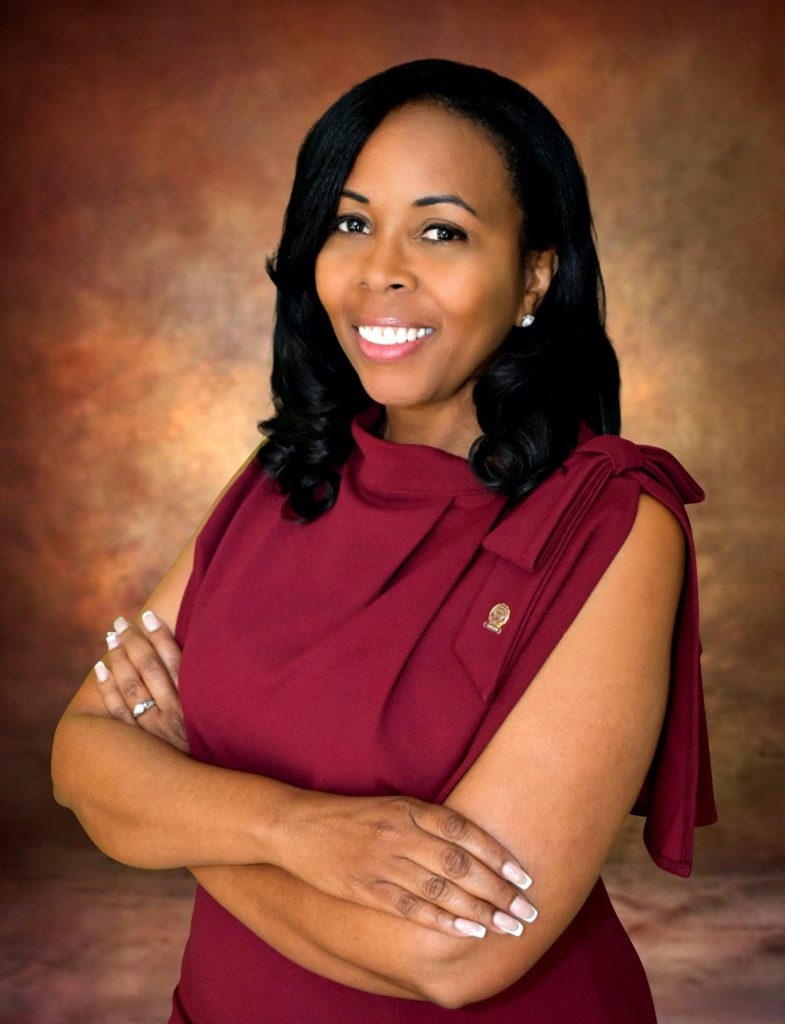
Angela Davis has been telling stories for twenty-five years. She started in the theatre, writing and directing stage plays out of Lima, Ohio, a small town where the nearest professional company was a two-hour drive away. The pandemic pushed her toward the camera: four documentary shorts centered on Black History, the children’s short Brown Hands, Black Schools HBCUs (co-writer and producer), and associate production on Beyond the System: A Journey Through Foster Care. Alongside all of it she works as a casting director, with credits including Gracefully Grounded, The Sanctum, Yellow, and More Than Blood — a job that keeps her inside scripts other people wrote, which she says made her own writing sharper.
She describes herself as a “rebel church girl” who writes dramatic, faith-based stories rooted in real-world problems “with no sugar added”. Her passion for storytelling, in her own framing, is rooted in community work and a desire to impact people through entertainment. Not inspiration. Entertainment. She’s a public speaker, a youth leader, and serves on committees including the Dayton Black Women’s Film Festival. She grew up in Lima, graduated Summa Cum Laude from Central State University, and has been inducted into the Alumni Hall of Fame. She’s married to her college sweetheart, Tyrone, and they have two daughters, Tylar and Rylee.
We first met Angela’s work when The Prodigal Mom was selected at the Atlanta Women’s Film Festival 2026, where it took home Best Drama Feature Screenplay. It had also been picked up by the Imagine This Women’s Film Festival in New York. We asked her to send us the script so we could write about how she writes. Here’s what we found.
The Prodigal Mom
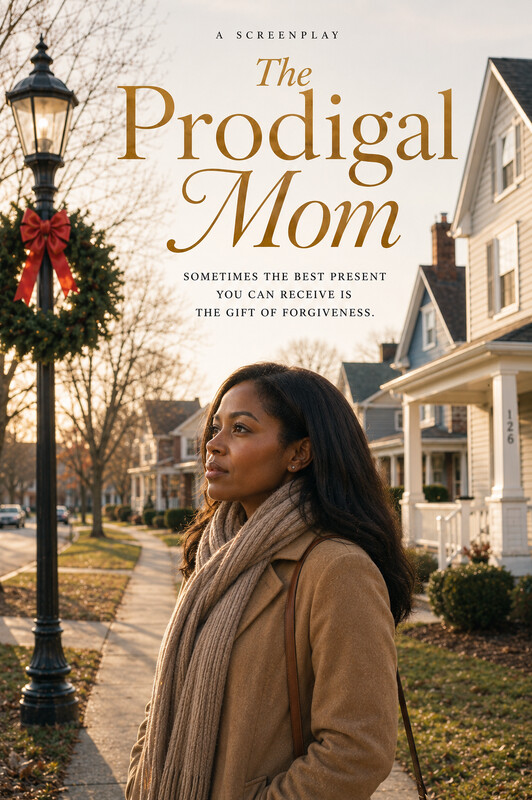
The script follows Sharonda Lukas, a woman who watched her daughter Candis grow up inside a women’s recovery house while she was stuck on the other side of it. Six months after her ex-husband Calvin’s funeral, Sharonda walks back into that neighborhood with no plan, no permission, and a phone full of voicemails from a thirteen-year-old who is furious, grieving, and not ready to forgive anyone. The script unfolds across two timelines: Christmas morning in Grandma Grace’s living room, where a star tumbles off the tree and takes us backward, and the six months before it, when Sharonda is learning again how to be present without being safe.
How she writes
Angela’s characters talk the way real people actually talk in rooms where they’re trying not to fall apart. The dialogue never explains itself, never summarizes the emotion it’s carrying. That restraint seems to come from the stage. Twenty-five years of watching an audience read a face instead of a subtitle teaches that specificity beats declaration.
What’s next
Angela is currently in pre-production on ALMOST, a psychological thriller. If The Prodigal Mom is her warm register, ALMOST sounds like the cold one. We’ll be watching.

0 Comments